Exploring Hash Concentrate Varieties: A Practical Guide for Enthusiasts
For anyone who has spent time around cannabis concentrates, the range of options can feel overwhelming at first. I remember walking into a shop a few years back and seeing jars labeled with terms like "bubble hash," "dry sieve," and "full melt" sitting next to dark, oily blobs of BHO. It was a lot to take in. Over time, I learned that each of these hash concentrate varieties comes from a different extraction method, and that difference matters a lot for how you use it, what it costs, and what kind of experience you get.
Hash has been around for centuries, long before anyone was pressing rosin or blasting butane through a tube. Traditional methods from places like Afghanistan, Morocco, and Lebanon produced distinct styles that are still revered today. But the modern market has expanded far beyond those old-world techniques. Now we have solventless extracts, CO2 oils, and isolates that push purity to new levels. Understanding these hash concentrate varieties helps you choose what fits your setup, your budget, and your personal preference.
Traditional Hash: The Roots of the Craft
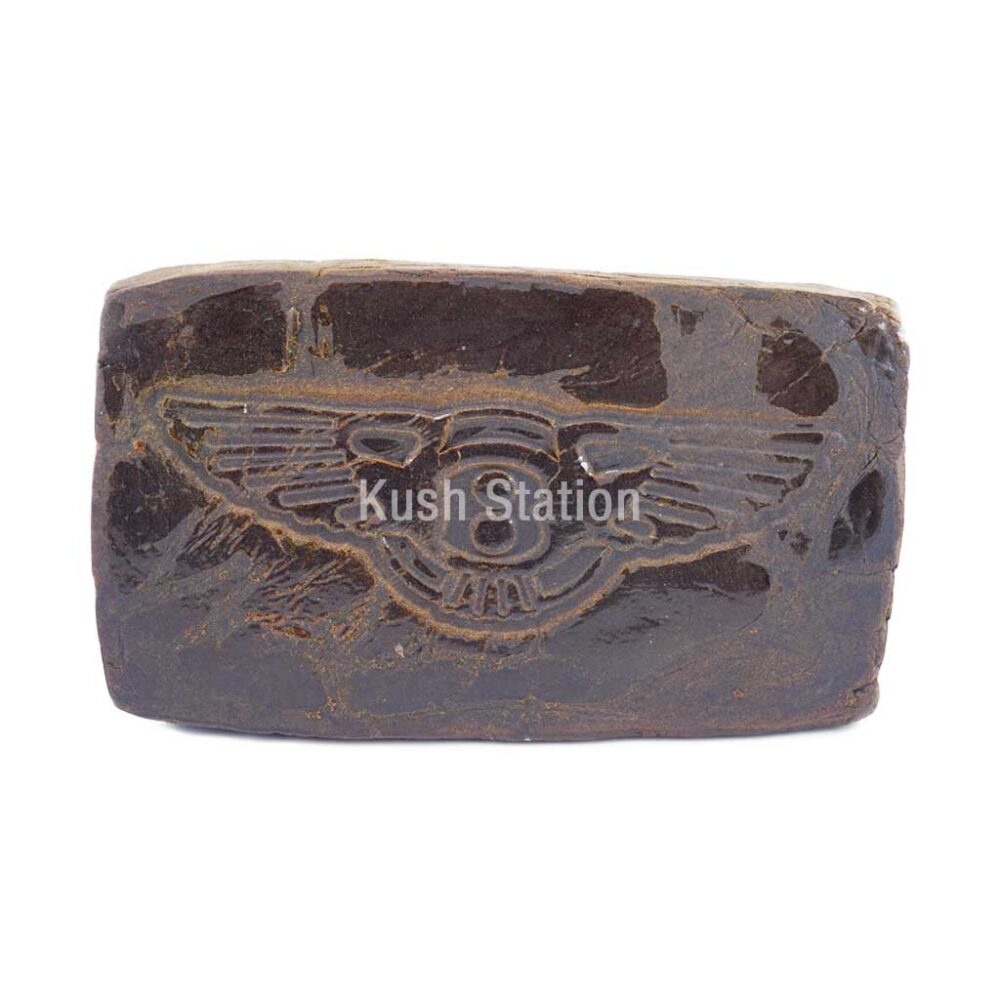
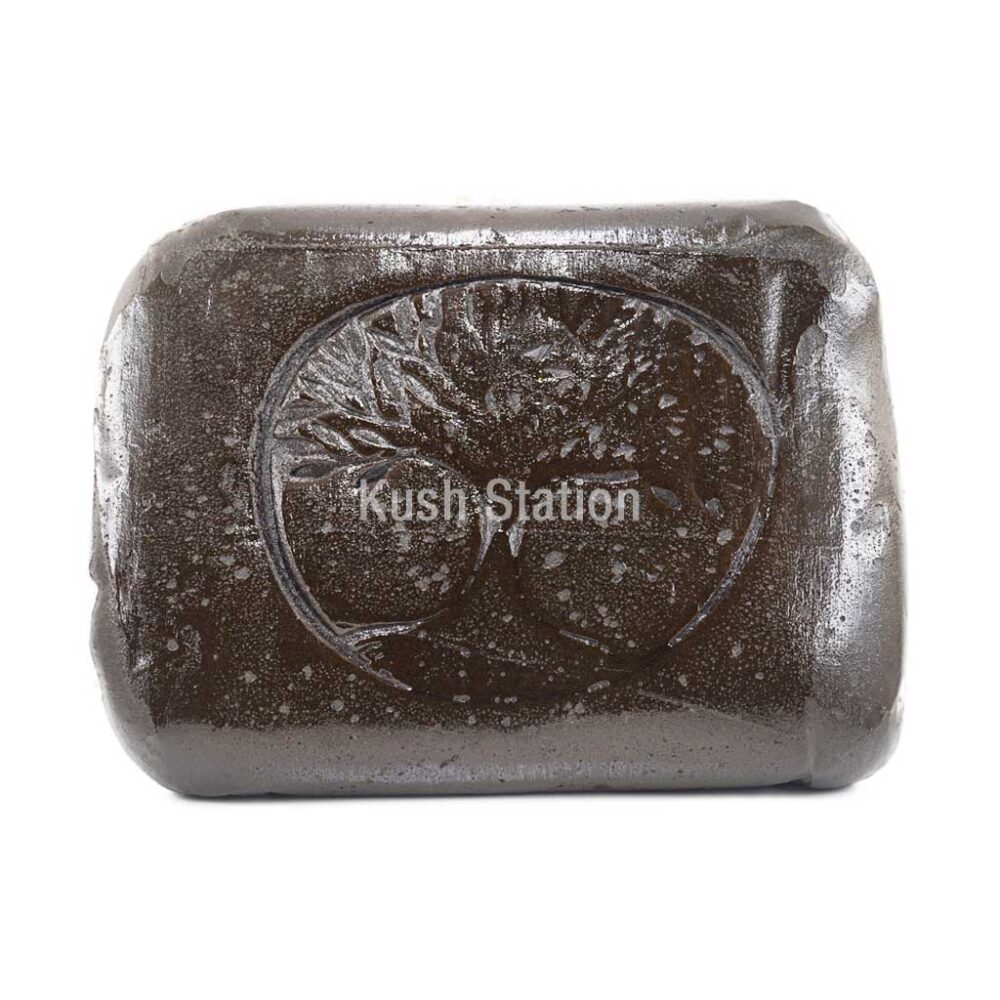
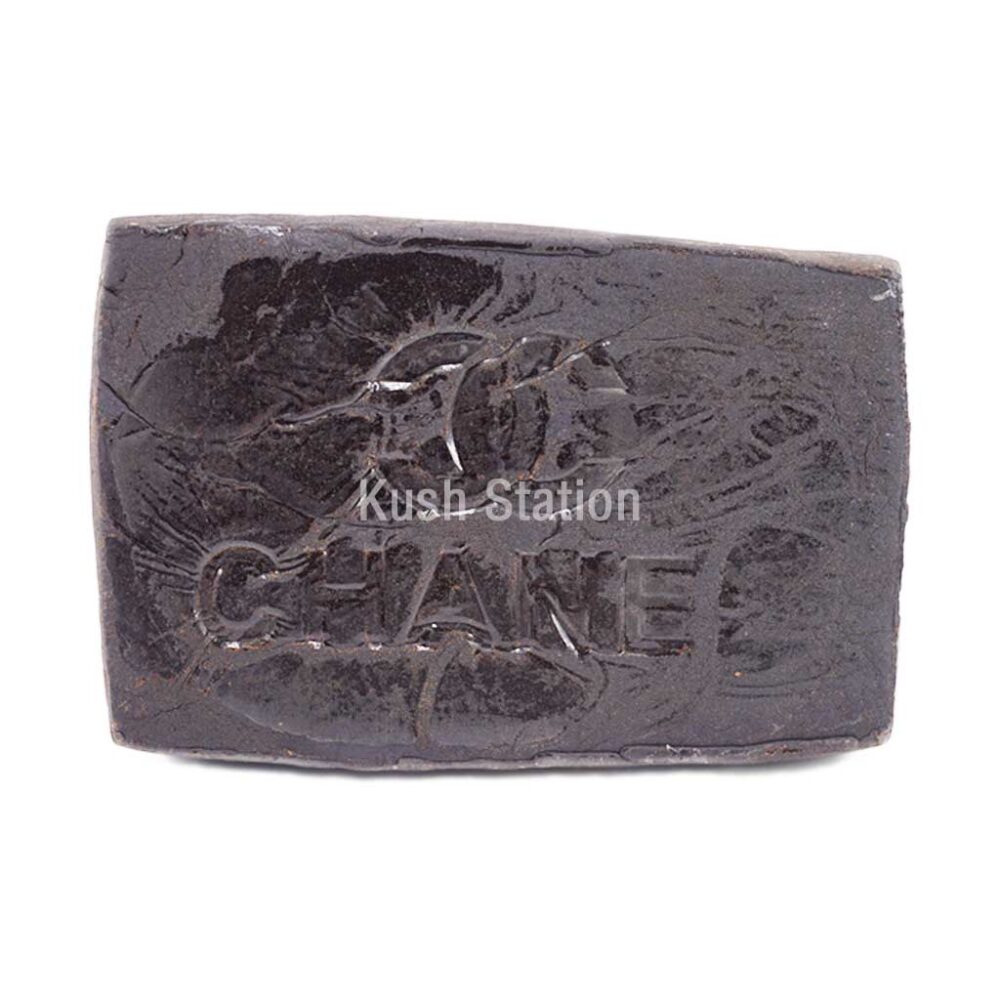
When people talk about classic hash, they usually mean the kind made by sifting or rubbing cannabis flowers to collect the resin glands, then pressing them into a solid block. Afghan hash is a prime example. It is typically made from local landrace strains, and the finished product has a dark, almost black exterior with a soft, pliable interior. The flavor is earthy and spicy, with a heavy body high that has made it a staple for decades. Moroccan hash, on the other hand, is usually lighter in color, ranging from light brown to golden, and it is often made using dry sieve techniques. The texture is crumbly, and the high is more balanced, good for both relaxing and staying functional.
Lebanese hash sits somewhere in between. It tends to be a bit redder in hue, with a distinctive, often more floral terpene profile. These three regional styles are the foundation that most modern concentrates build upon. They are still widely available, and for someone new to concentrates, they are a great place to start because they are forgiving in terms of handling and consumption.
Modern Extraction Methods: From Kief to Rosin
The first step in making many concentrates is collecting kief. Kief is just the loose trichomes that fall off the plant when you grind or handle it. You can smoke it as is, but most people press it into hash. A simple kief press gives you something that smokes like a basic hash. But if you want something cleaner, you move into bubble hash. Bubble hash is made using cold water extraction. The plant material is agitated in ice-cold water, and the trichomes sink to the bottom because they are denser than the plant matter. The resulting hash is usually very pure, and the quality depends on the filter size used during the process. Finer filters give you higher grade material, often called "full melt" because it bubbles and melts completely when heated, leaving almost no ash.
Dry sieve is another traditional method that has been refined over time. It involves rubbing or tumbling dried cannabis over a series of screens with different mesh sizes. The finer the mesh, the purer the kief. Good dry sieve can rival bubble hash in quality, but it requires careful technique and good starting material. I have seen people produce beautiful, pale gold dry sieve that tastes like the fresh flower itself.
Solventless Extraction: The Cleanest Path
For many connoisseurs, solventless extraction is the gold standard. No chemicals are used, just heat and pressure. The most common example is rosin, made with a rosin press. You place flower or kief between two heated plates and press, and the resin squeezes out as a sticky, golden liquid. That is hash rosin, and it is about as pure as you can get without using solvents. The flavor is incredible because all the terpenes remain intact. The downside is that yield is lower than with other methods, and the material you press needs to be high quality to begin with. But for someone who values flavor and purity above all else, it is hard to beat.
Another solventless technique involves using a dab rig or a vaporizer designed for concentrates. These devices let you vaporize the concentrate directly, which preserves the flavor and gives you a cleaner experience than smoking. Many people who start with traditional hash eventually move to dabbing because it delivers a more precise, more potent hit.
Solvent-Based Extracts: Potency and Variety
Not all extracts are solventless. BHO, or butane hash oil, is made by running butane or another solvent through the plant material to dissolve the cannabinoids and terpenes, then evaporating the solvent. The result is a dark, sticky oil that is very potent but can have a harsher flavor if not purged properly. CO2 oil uses supercritical carbon dioxide as the solvent, which is cleaner than butane but still a solvent process. These extracts are often used in vape cartridges or added to flower to boost potency. They are not my first choice for flavor, but they are effective and often more affordable.
Then there are isolates like CBD isolate and THC-A. CBD isolate is a crystalline powder that is almost pure cannabidiol, with no psychoactive effects. It is popular for people who want the therapeutic benefits without the high. THC-A, or tetrahydrocannabinolic acid, is a precursor to THC that converts when heated. It is less common but appears in some high-purity extracts. These isolates are usually made through chromatography or other advanced separation techniques, and they represent the far end of the purity spectrum.
How to Choose Among the Hash Concentrate Varieties
Choosing the right concentrate depends on your goals. If you are looking for a traditional experience, Afghan hash or Moroccan hash are reliable choices. If you want maximum flavor and purity, go for a solventless extract like hash rosin or a high-grade bubble hash that qualifies as full melt. If you are on a budget or need something potent for a large batch, BHO or CO2 oil can give you good value, especially when you take advantage of bulk pricing from a reputable supplier like KushStation. They offer a wide selection of these hash concentrate varieties, and their bulk pricing makes it easier to stock up without breaking the bank.
Another factor is your consumption method. For a dab rig, you want something that melts cleanly without leaving residue. Rosin and full melt bubble hash are ideal. For a vaporizer, you might prefer a more solid hash that you can crumble into the chamber. Dry sieve or Lebanese hash works well there. And if you are rolling joints or topping a bowl, almost any concentrate can work, though stickier ones can be harder to handle.
Storage and Handling Tips
Concentrates are sensitive to heat, light, and air. Keep them in a cool, dark place in an airtight container. If your hash is too hard to work with, warm it gently between your fingers or with a low heat source. If it is too sticky, a quick chill in the fridge can make it manageable. I have ruined more than a few grams by leaving them in a hot car, so learn from my mistake.
When you are exploring different hash concentrate varieties, take notes on what you like. The same strain processed as bubble hash versus rosin can taste completely different. Part of the fun is finding your own preferences. The market is full of options, and there is no single "best" concentrate. It is about what works for you.
Whether you are a longtime hash lover or just starting to move beyond flower, the world of concentrates offers depth and variety that is worth exploring. Start with a few classic styles, then branch out into solventless and solvent-based extracts. Pay attention to how each one behaves under heat and how it makes you feel. With time, you will develop a sense of what to look for and what to avoid. And if you find a source that offers both quality and fair pricing, hold onto it.